home > ARTICLE > Release > Stone sedimentary deposits. Compressed sedimentary deposits. Dense sedimentary deposits. Research.
Stone sedimentary deposits. Compressed sedimentary deposits. Dense sedimentary deposits. Research.

I got a piece of dense agarwood leftover material from a friend's agarwood bead-making project, and I'm sharing it for your reference.
This piece was made from raw agarwood logs directly compressed by machine in Indonesia.
At first glance, its appearance is slightly different from natural mineralized agarwood.
However, because it has already been cut open, the internal grain
is so regular that you can tell! You can't tell just by looking at the finished beads. It's
heavy and sinks in water—a characteristic that
many agarwood enthusiasts, including myself, would find irresistible!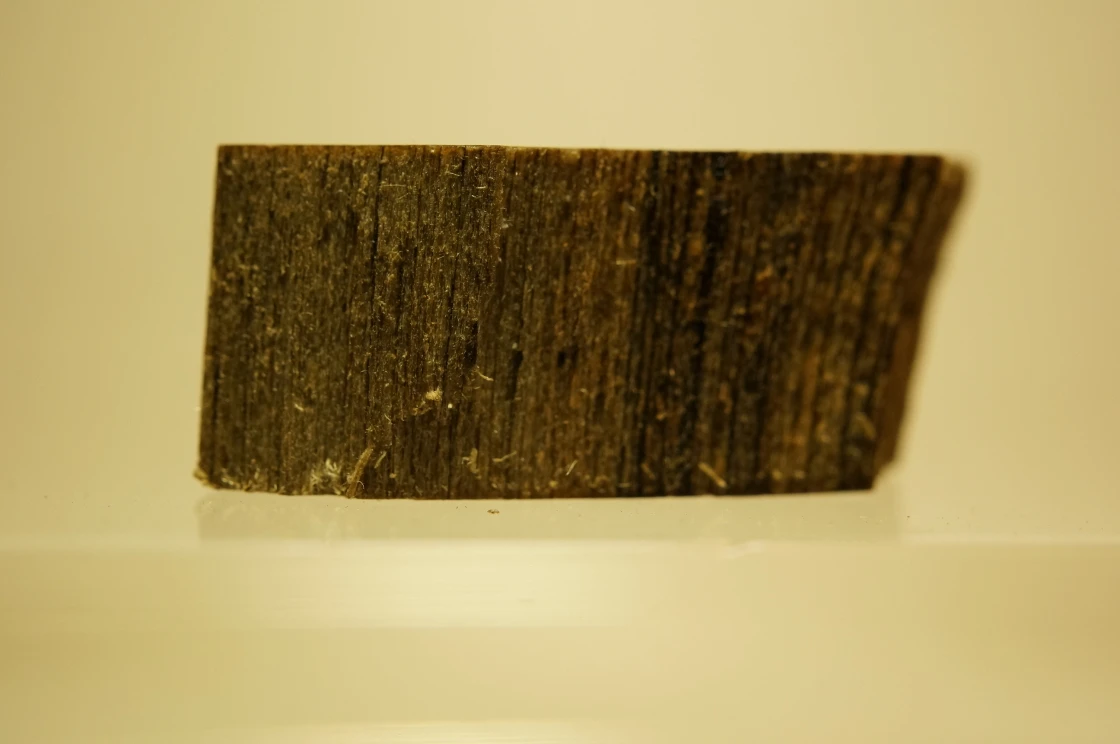
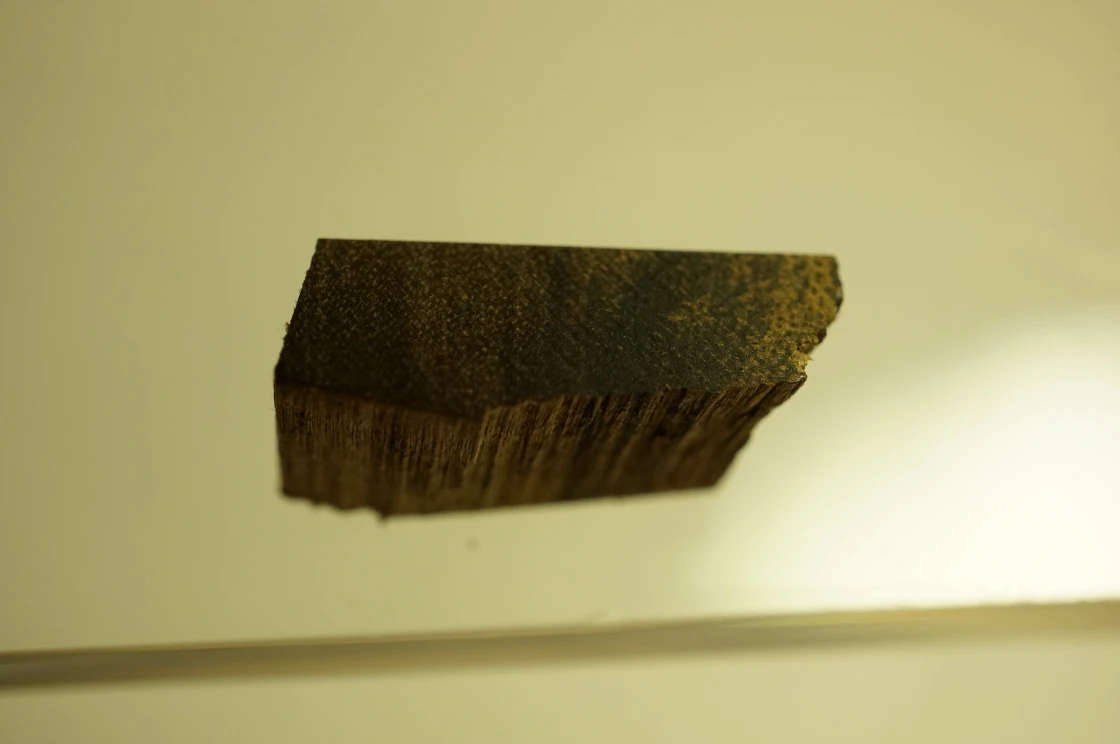
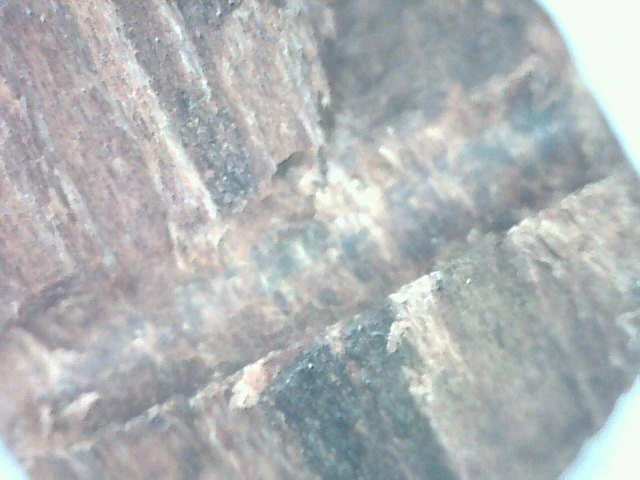
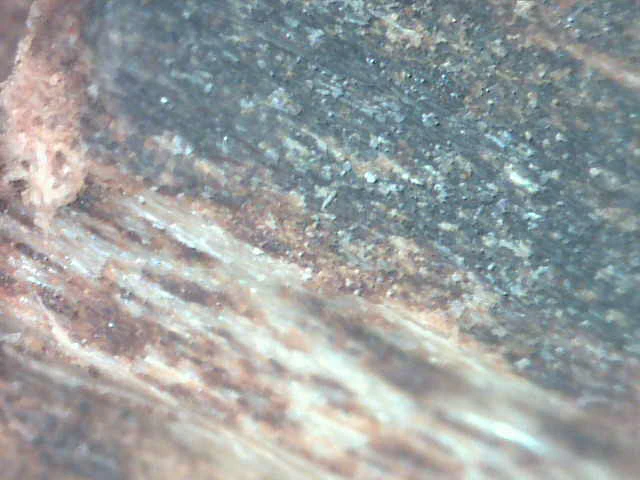
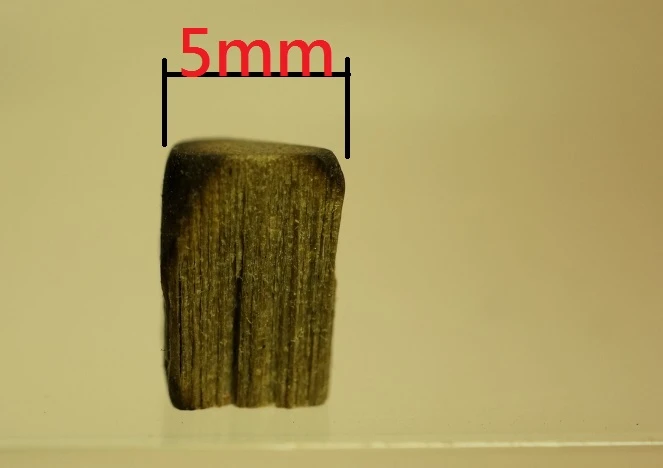
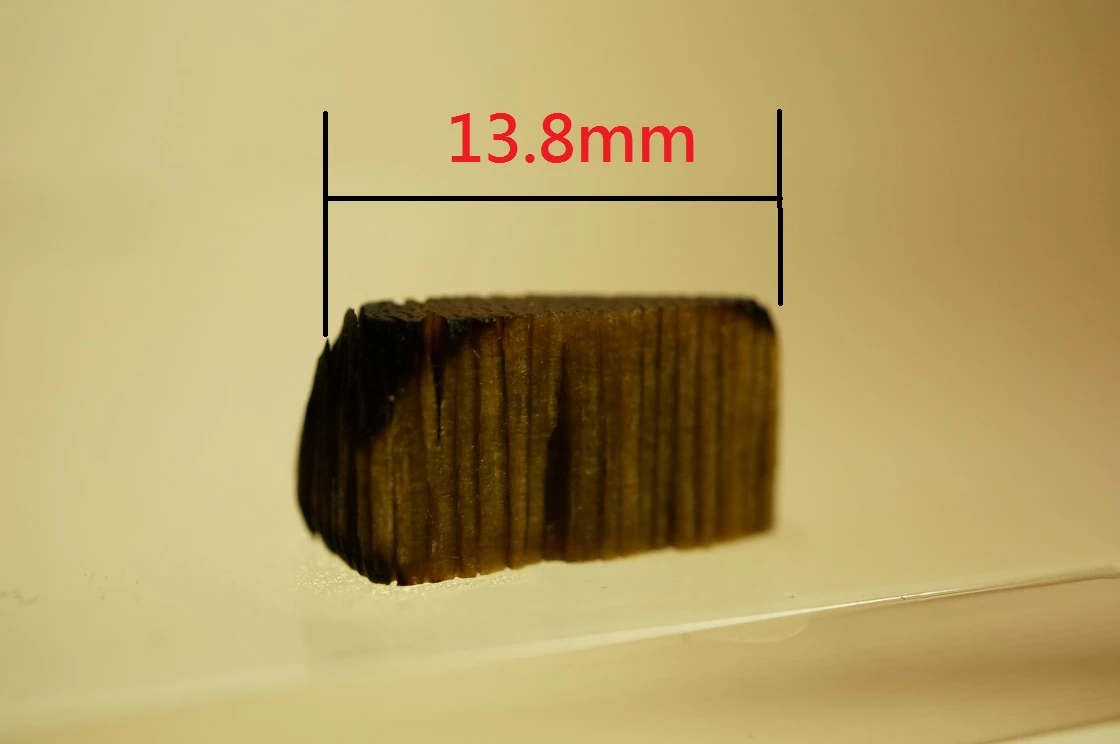
This piece was made from raw agarwood logs directly compressed by machine in Indonesia.
At first glance, its appearance is slightly different from natural mineralized agarwood.
However, because it has already been cut open, the internal grain
is so regular that you can tell! You can't tell just by looking at the finished beads. It's
heavy and sinks in water—a characteristic that
many agarwood enthusiasts, including myself, would find irresistible!
[Dense agarwood leftover material]
[Dense agarwood leftover material on] [
Naturally mineralized] Agarwood beads cut open.
Natural agarwood beads have 200 times
the fiber density. There are slight differences in fiber fineness between the two.
However... when
soaked in cold water... neither changes.
When soaked in hot water, natural agarwood appears the same.
the fiber density. There are slight differences in fiber fineness between the two.
However... when
soaked in cold water... neither changes.
When soaked in hot water, natural agarwood appears the same.
But dense agarwood... after
being soaked
in water for 10 seconds, the structure
... swells up like a sponge absorbing water.
Agarwood enthusiasts, when buying agarwood, especially beads or raw wood,
mostly focus on weight.
However, they often forget the crucial point of whether it's naturally matured.
This leads to the following problems years later:
1. The agarwood aroma is gone.
2. The beads are deformed and swollen.
Even if you bought it cheaply, it's useless.
... swells up like a sponge absorbing water.
Agarwood enthusiasts, when buying agarwood, especially beads or raw wood,
mostly focus on weight.
However, they often forget the crucial point of whether it's naturally matured.
This leads to the following problems years later:
1. The agarwood aroma is gone.
2. The beads are deformed and swollen.
Even if you bought it cheaply, it's useless.